

Best ERP System in Oman for Businesses | Cloud & Custom ERP Solutions
Enterprise Resource Planning (ERP) Solutions in Oman for Modern Businesses
In today's fast-paced digital economy, businesses in Oman are rapidly transforming their operations to stay competitive and efficient. One of the most powerful tools enabling this transformation is Enterprise Resource Planning (ERP) software.
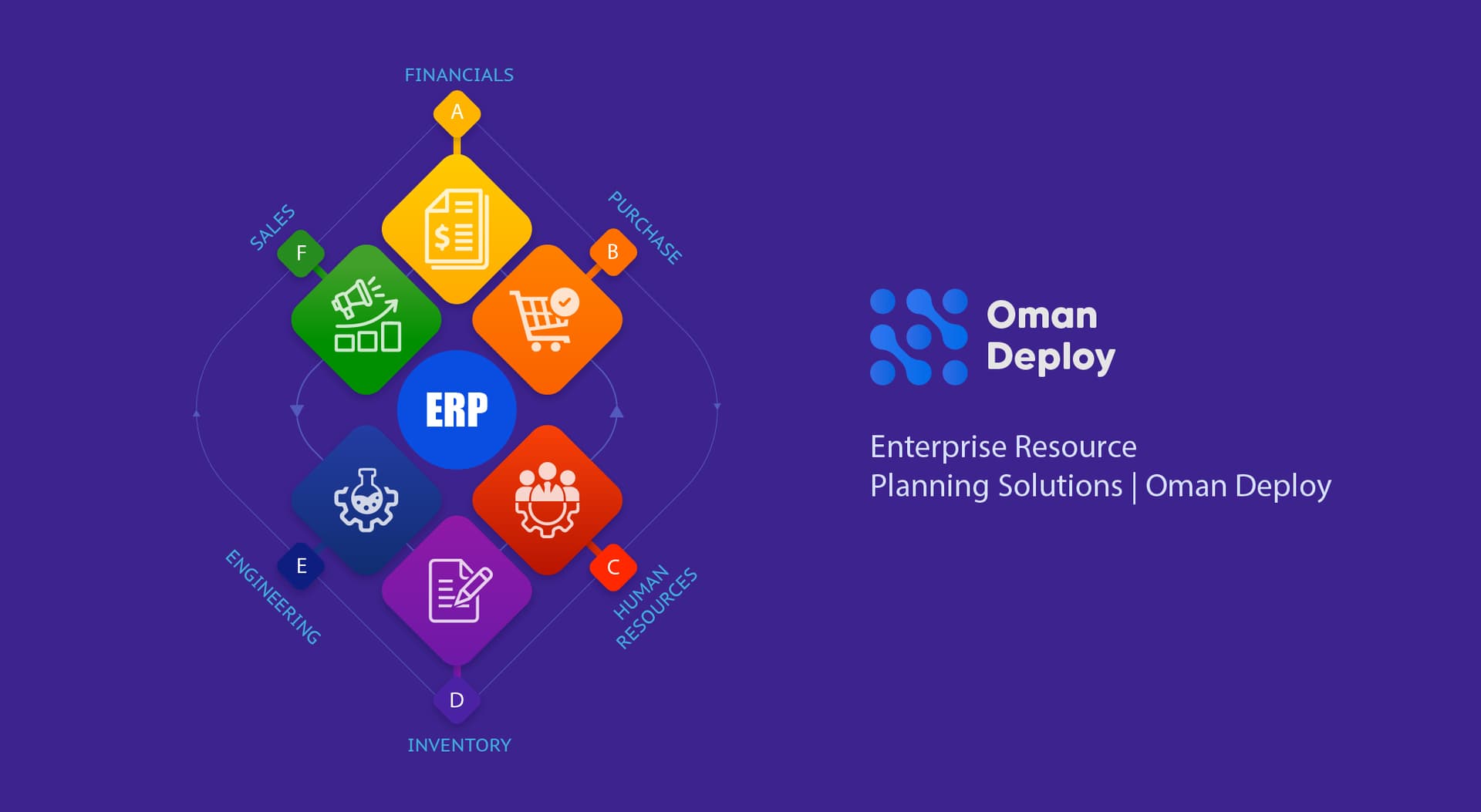
ERP systems integrate core business processes such as finance, inventory, human resources, procurement, and customer management into a single unified platform. With an ERP solution, organizations in Oman can streamline operations, improve decision-making, and scale their business efficiently.
What is ERP
Enterprise Resource Planning (ERP) is a comprehensive software system designed to manage and automate various business processes within an organization. Instead of using multiple disconnected tools, ERP centralizes data and workflows into one system.
This unified approach eliminates data silos and ensures that all departments operate using real-time, accurate information. From accounting and inventory management to sales and human resources, ERP systems provide full visibility across the organization.
Why Businesses in Oman Need ERP Systems
Oman is experiencing significant economic growth and diversification, especially in sectors such as construction, logistics, manufacturing, oil and gas, and retail. As businesses grow, managing operations manually or using disconnected systems becomes inefficient and error-prone.
ERP solutions help Omani businesses optimize their operations, reduce costs, and improve productivity. Whether it's a small enterprise or a large corporation, implementing an ERP system provides a strong technological foundation for sustainable growth.
Key Benefits of ERP Systems
ERP systems offer numerous advantages that directly impact business performance and efficiency.
Centralized Data Management
One of the primary benefits of ERP is centralized data storage. All business information is stored in a single system, ensuring consistency and accuracy across departments.
Improved Decision Making
With real-time data and advanced reporting tools, managers can make informed decisions based on accurate insights rather than assumptions.
Automation of Processes
ERP systems automate repetitive tasks such as invoicing, payroll processing, and inventory tracking. This reduces manual errors and saves valuable time.
Enhanced Productivity
By streamlining workflows and eliminating redundant processes, employees can focus on high-value tasks, leading to increased productivity.
Scalability
ERP solutions are designed to grow with your business. As your company expands, the system can be easily upgraded to accommodate new processes and users.
Core Modules of an ERP System
ERP systems consist of multiple modules that can be customized based on business needs.
Finance and Accounting
This module manages financial transactions, budgeting, tax compliance, and financial reporting. It ensures transparency and accuracy in all financial operations.
Inventory Management
Track stock levels, manage warehouses, and monitor supply chains in real-time. This module helps prevent overstocking or stock shortages.
Human Resources (HR)
Manage employee records, payroll, attendance, recruitment, and performance evaluation in one centralized system.
Customer Relationship Management (CRM)
Improve customer engagement by tracking interactions, managing leads, and enhancing customer satisfaction.
Procurement and Supply Chain
Optimize purchasing processes, manage suppliers, and ensure efficient supply chain operations.
ERP for Different Industries in Oman
ERP systems can be tailored for various industries in Oman, each with its own specific requirements.
Construction Industry
Manage project costs, track materials, monitor workforce productivity, and ensure timely project completion.
Manufacturing
Control production processes, manage raw materials, and improve quality control with real-time data.
Retail and E-commerce
Handle sales, inventory, customer data, and multi-channel operations seamlessly.
Logistics and Transportation
Track shipments, manage fleets, and optimize delivery routes to reduce operational costs.
Oil and Gas Sector
Ensure compliance, manage assets, and monitor operations efficiently in one of Oman’s most critical industries.
Cloud ERP vs On-Premise ERP
Businesses in Oman can choose between cloud-based ERP solutions and on-premise systems depending on their needs.
Cloud ERP
Cloud ERP systems are hosted online and accessible from anywhere. They require lower upfront investment and offer flexibility and scalability.
On-Premise ERP
On-premise ERP systems are installed on local servers. They provide greater control over data but require higher maintenance and infrastructure costs.
ERP Implementation Process
Implementing an ERP system requires careful planning and execution.
Requirement Analysis
Identify business needs, processes, and goals before selecting an ERP solution.
System Design
Customize the ERP system based on the organization’s workflow and operational requirements.
Data Migration
Transfer existing data into the new system while ensuring accuracy and consistency.
Training and Deployment
Train employees to use the system effectively and deploy it across the organization.
Support and Maintenance
Provide ongoing technical support and updates to ensure optimal performance.
Challenges in ERP Implementation
While ERP systems offer significant benefits, businesses may face challenges during implementation.
These include resistance to change, data migration complexities, and the need for employee training. However, with proper planning and expert support, these challenges can be effectively managed.
ERP and Digital Transformation in Oman
ERP systems play a crucial role in the digital transformation of businesses in Oman. As the country moves towards a more technology-driven economy, adopting ERP solutions is becoming essential.
Organizations that invest in ERP technology can improve operational efficiency, enhance customer experience, and gain a competitive advantage in the market.
Security and Compliance
Data security is a top priority for businesses. Modern ERP systems include advanced security features such as data encryption, user access control, and regular backups.
ERP solutions also help businesses comply with local regulations and financial reporting standards in Oman.
Integration with Other Systems
ERP platforms can be integrated with other business tools such as e-commerce platforms, payment gateways, and analytics systems. This ensures seamless data flow and enhances overall efficiency.
Future of ERP in Oman
The future of ERP in Oman is driven by emerging technologies such as artificial intelligence, machine learning, and automation. These innovations will further enhance ERP capabilities and enable smarter decision-making.
Businesses that adopt modern ERP solutions will be better positioned to adapt to market changes and achieve long-term success.
Conclusion
Enterprise Resource Planning (ERP) systems are essential for businesses in Oman looking to improve efficiency, reduce costs, and scale operations. By integrating all core processes into a single platform, ERP solutions provide complete visibility and control over business activities.
With the right ERP system, companies can streamline operations, enhance productivity, and stay competitive in a rapidly evolving market.
Oman Deploy ERP services offer customized, scalable, and reliable solutions tailored to the unique needs of businesses in Oman. Whether you are a startup or an established enterprise, implementing an ERP system is a strategic step towards digital transformation and long-term growth.
Tags: